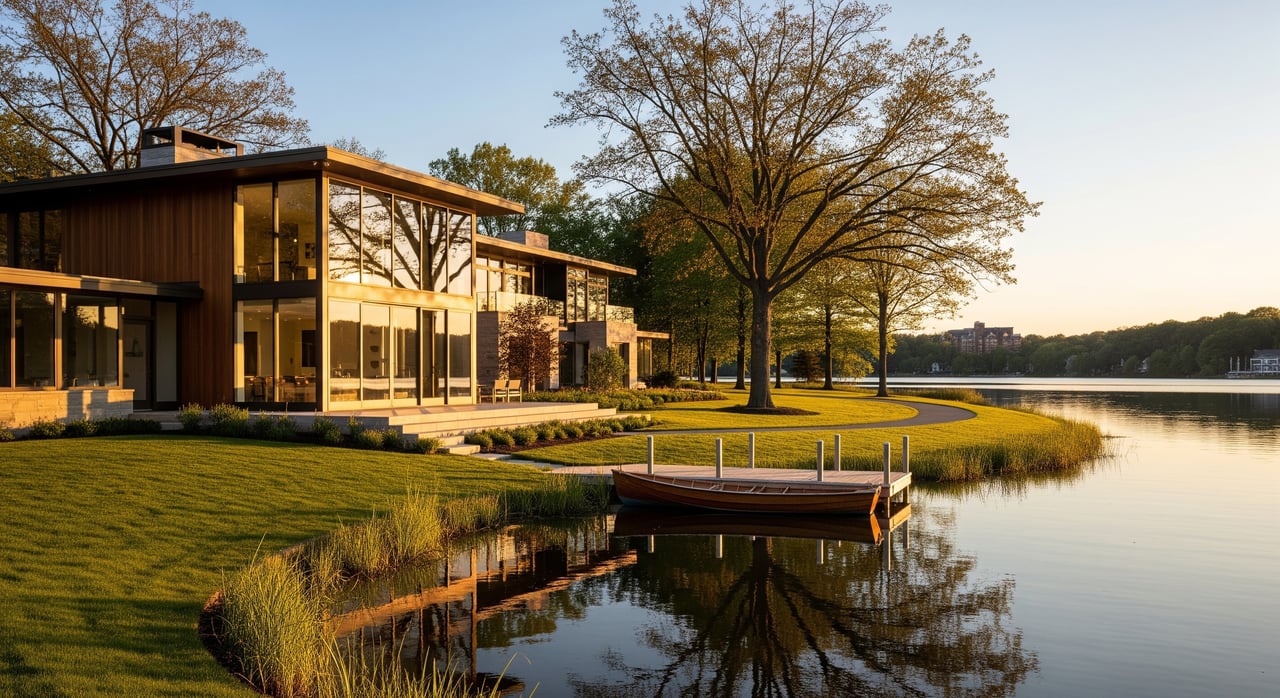
Wondering what day-to-day life actually feels like in Columbia, Maryland? If you want green space, practical convenience, and a thoughtful community layout, you’ll likely feel at home here. You’ll learn how Columbia’s village design shapes daily routines, what amenities you’ll use most, and how housing, schools, and commutes work in real life. By the end, you’ll know whether this planned community fits your lifestyle and goals. Let’s dive in.
How Columbia is designed
Columbia was created in the 1960s as a planned community built around villages, each with its own village center and green space. The design separates many pedestrian paths from car traffic, so you can walk or bike to parks, lakes, and local shops inside your village. Town Center acts as a mixed-use hub with dining, culture, and regional shopping.
Daily life feels organized and accessible. Most errands are a short drive, and many neighborhoods connect to paved paths that weave through wooded areas and along lakes. The layout also balances privacy at home with shared community spaces.
Governance and community roles
Columbia Association, a nonprofit that functions like a community services organization, manages many recreation assets. That includes pools, fitness centers, lakes, a large path network, and community programming. Howard County government handles schools, police, major roads, and sanitation.
Villages have associations or boards that oversee local covenants and programming. If you buy a home, you should review both your village rules and any HOA guidelines so you know what to expect for property changes and assessments.
Villages and Town Center at a glance
Villages and village centers
Columbia is commonly described as ten villages plus Town Center. Most villages have a village center with basics like grocery, dining, or services. Some centers still function as neighborhood hubs, while others are quieter as residents use Town Center or other nearby retail. You can expect a community feel, with events and meetings organized at the village level.
Town Center
Town Center is the most urban part of Columbia. It has condos and apartments near dining, shopping, and a lakefront area that hosts seasonal events. You’ll also find a notable outdoor concert and event venue nearby that draws regional acts and gatherings throughout the year.
Columbia Association in daily life
If you enjoy recreation, the Columbia Association will likely be part of your weekly routine. You can access pools, fitness and wellness options, sports fields, and community classes. Most properties pay assessments that help fund these amenities, so confirm what is included for your address and what memberships or fees apply.
Everyday amenities and lifestyle
Parks, lakes, and trails
Green space is a core part of life here. Lakes and neighborhood parks are threaded together by miles of paved paths that make it easy to run, bike, or stroll. Non-motorized boating is allowed on some lakes, and you’ll see community events around the lakefront during warmer months.
Culture and community events
Columbia hosts festivals, seasonal concerts, and arts programming across Town Center and nearby park areas. You’ll find farmer’s markets in good weather and community-led activities that bring neighbors together. The calendar picks up in spring and summer when outdoor venues are most active.
Dining and shopping
You’ll have a solid mix of casual and family restaurants, with some higher-end options clustered around Town Center. Village centers offer everyday staples, while the regional mall area covers larger shopping needs. For broader dining choices, nearby suburbs add even more variety within a short drive.
Learning resources
You have local branches of the county library system and a community college campus nearby. These offer classes, teen programs, and adult learning opportunities that are convenient and affordable.
Housing and neighborhoods
Home styles and options
Columbia offers variety: single-family homes, townhouses, condos, and apartments. Many houses from the original development era feature mid-century or classic suburban styles such as split-level and ranch layouts. Newer townhomes and multi-family buildings, especially around Town Center and infill areas, bring contemporary options.
Neighborhood character
Older villages often have mature trees, established landscaping, and winding streets on smaller lots. Town Center feels denser and more urban, with walkable access to dining and cultural venues. Outlying or later-built areas can offer larger lots and more recent construction.
Ownership details to know
- Review village covenants and any HOA rules before you make an offer.
- Confirm Columbia Association assessments and what services or memberships are included.
- Expect price ranges to vary by village, home type, and age or condition. Verify current pricing using trusted market reports and recent sales when you are ready to compare options.
Schools and education
Columbia is served by Howard County Public Schools, which are widely regarded across Maryland. School assignments can vary by address, so check attendance boundaries for any home you are considering. You can also explore private or specialty programs offered across the county to see what fits your needs.
Getting around and commuting
Columbia sits between Baltimore and Washington, D.C., which makes it convenient if your household splits commutes. Access to major highways helps you reach regional job centers, BWI Airport, and Fort Meade. Many residents find Baltimore commutes shorter than trips into downtown D.C., though traffic patterns vary by time of day.
Public transit is available through county and regional bus services. While there is no heavy rail inside Columbia, you can connect to commuter rail or light rail by driving to nearby stations or using park-and-ride lots. If you plan to rely on transit, review schedules and test routes during your typical commute times.
Costs, taxes, and safety
Howard County’s overall cost of living tends to be higher than some parts of Maryland, largely due to housing. Property taxes are levied by the county, and most homes in Columbia also pay Columbia Association assessments. If your home is part of an HOA, you will have those dues as well. Budget for utilities, childcare, and commuting costs as part of your overall plan.
Crime rates in Columbia are generally lower than many national averages, but patterns vary by neighborhood and by crime type. For the most accurate picture, review local police and crime-mapping resources and look at trends near the homes you are considering.
Who Columbia fits best
- Families who value parks, pools, and youth programs will appreciate the recreation network and schools.
- Young professionals who want a quieter base with access to Baltimore and the D.C. corridor will find the location practical.
- Retirees who prefer established neighborhoods and nearby services can choose from several low-maintenance options.
- New or early-stage investors may find steady demand for well-located rentals and townhomes, paired with strong local amenities.
Quick moving checklist
- Visit at least two village centers at different times of day to gauge daily flow and parking.
- Walk or bike the nearest path network and lakefront to test your routine.
- Verify school attendance zones for specific addresses you like.
- Confirm Columbia Association assessments and any HOA rules, fees, and approval processes.
- Test drive your commute during peak hours and review transit or park-and-ride options.
- Review local police and crime-mapping tools for neighborhood-level data.
- If investing, model rent ranges and expenses by home type and village.
Work with a trusted local guide
Choosing the right village, home style, and budget strategy can feel complex, but you do not have to navigate it alone. As a local REALTOR and wealth coach, Cai helps you evaluate lifestyle fit and long-term value, whether you are buying your first home, moving up, or exploring a rental strategy. When you are ready, reach out to schedule a consult, request a valuation, or plan a neighborhood tour with Cai Randolph.
FAQs
Is Columbia, MD walkable if I dislike driving?
- Many village centers and Town Center are walkable, while many neighborhoods are suburban and work best with a car.
What kinds of homes can I find in Columbia?
- You will see single-family homes, townhouses, condos, and apartments, from mid-century styles to newer infill and contemporary townhomes.
How are the public schools in Columbia, MD?
- Columbia is served by Howard County Public Schools, which are well regarded; always confirm specific school assignments for your address.
What are typical commutes like from Columbia?
- Many residents find Baltimore commutes shorter than downtown D.C. trips; actual times vary by route and traffic, so test during peak hours.
Are there extra community fees beyond property taxes?
- Most homes pay Columbia Association assessments, and some have HOA dues; review both before you buy.
Where do people go for concerts and events?
- Town Center and nearby outdoor venues host regional concerts and seasonal festivals, with more programming in spring and summer.
Is Columbia a good fit for investors?
- The range of home types and strong amenity base can support demand; run numbers by village and property type to confirm your strategy.